
Table of Contents
- Understanding Product Delivery and Compliance
- Why Product Verification Matters
- Understanding Licensed Distribution Channels
- Age Verification and Regulatory Requirements
- Product Packaging and Authentication
- Delivery Regulations and Consumer Responsibilities
- Consumer Safety Considerations
- Frequently Asked Questions
Muha Meds Delivery Guide: Verification, Compliance & Consumer Safety
Many consumers search for information about Muha Meds delivery, product verification,
and consumer safety. Understanding how regulated distribution systems operate,
how authenticity checks work, and what compliance requirements may apply can help
individuals make informed decisions.
Understanding Product Delivery and Compliance
Cannabis-related regulations differ significantly across jurisdictions. In some
locations, licensed operators may be permitted to provide delivery services,
while in others such services may be restricted or prohibited. Consumers should
always verify applicable local laws before relying on information found online.
For additional educational resources about strains and product information, visit:
Muha Meds Strains Guide
Why Product Verification Matters
Verification systems for muha meds delivery help consumers identify authentic products and review
available product information. Common verification methods may include:
- QR code verification systems
- Batch identification numbers
- Packaging inspection
- Manufacturing information review
- Product tracking systems
Consumers can learn more through:
Understanding Licensed Distribution Channels
Licensed businesses are generally required to comply with regulatory standards
that may include age verification, product testing requirements, packaging
standards, inventory tracking, and consumer protection measures.
For public-health information regarding cannabis, visit:
CDC Cannabis Information
.
Age Verification and Regulatory Requirements
Age verification for muha meds delivery is an important component of compliance frameworks in many
regulated markets. Businesses may use various methods to verify customer
eligibility where legally required.
- Government-issued identification checks
- Digital verification systems
- Account validation procedures
- Delivery confirmation requirements
Product Packaging and Authentication
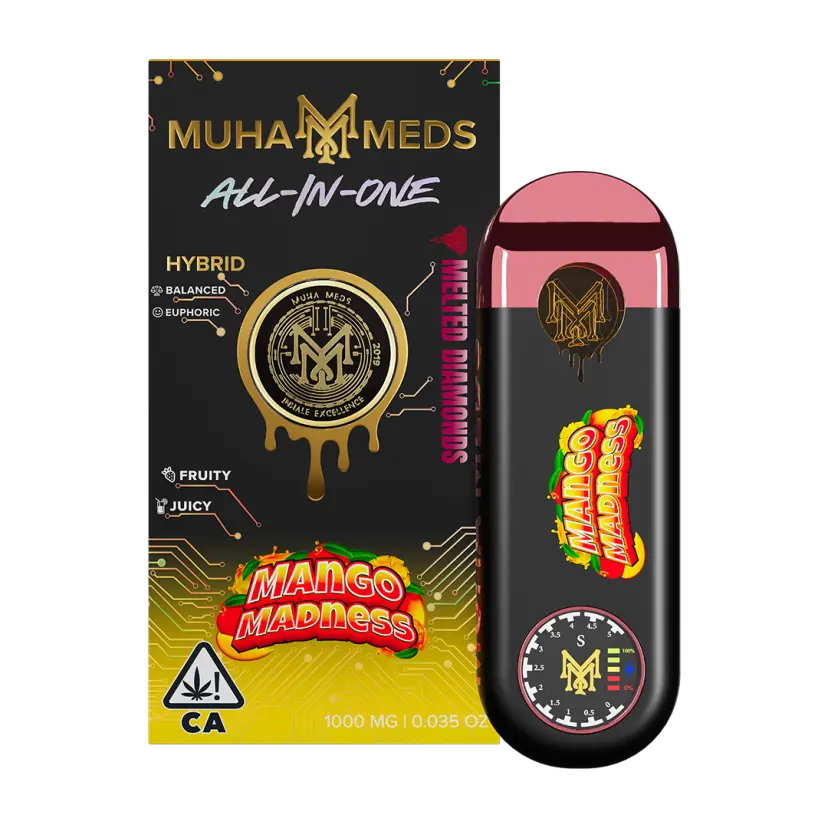
Consumers often review packaging information to better understand a product’s
origin and authenticity.
| Packaging Element | Purpose |
|---|---|
| Product Name | Identifies the item |
| Batch Information | Supports traceability |
| Compliance Labels | Provides required disclosures |
| QR Verification | May assist with authenticity checks |
Additional research resources:
National Institute on Drug Abuse (NIDA)
.
Delivery Regulations and Consumer Responsibilities
Regulations governing transportation, possession, and distribution vary by
location. Consumers should remain aware of local requirements and consult
relevant authorities when necessary.
- Delivery zone restrictions
- Record-keeping requirements
- Security protocols
- Customer eligibility standards
- Product tracking obligations
Consumer Safety Considerations
Consumer safety begins with informed decision-making and careful review of
available information.
- Verify authenticity whenever possible
- Review packaging and labeling carefully
- Understand local laws and regulations
- Store products responsibly
- Stay informed about public-health guidance
For additional public-health resources:
SAMHSA
.
Frequently Asked Questions
Why is product verification important?
Verification systems may help consumers review product information and assess
authenticity indicators when available.
Do regulations vary by location?
Yes. Cannabis-related laws and compliance requirements differ significantly
between jurisdictions.
What information should consumers review on packaging?
Consumers may review product identification details, batch information,
compliance disclosures, and available verification tools.
Why is age verification commonly required?
Age verification supports compliance with applicable legal requirements in
regulated markets.
Conclusion
Understanding product verification, compliance requirements, and consumer safety
practices can help individuals make more informed decisions. Consumers should
always verify local laws, review available product information carefully, and
consult reputable public-health resources when seeking additional guidance.
Related Resources: